


Understanding best practice when specifying physical security products
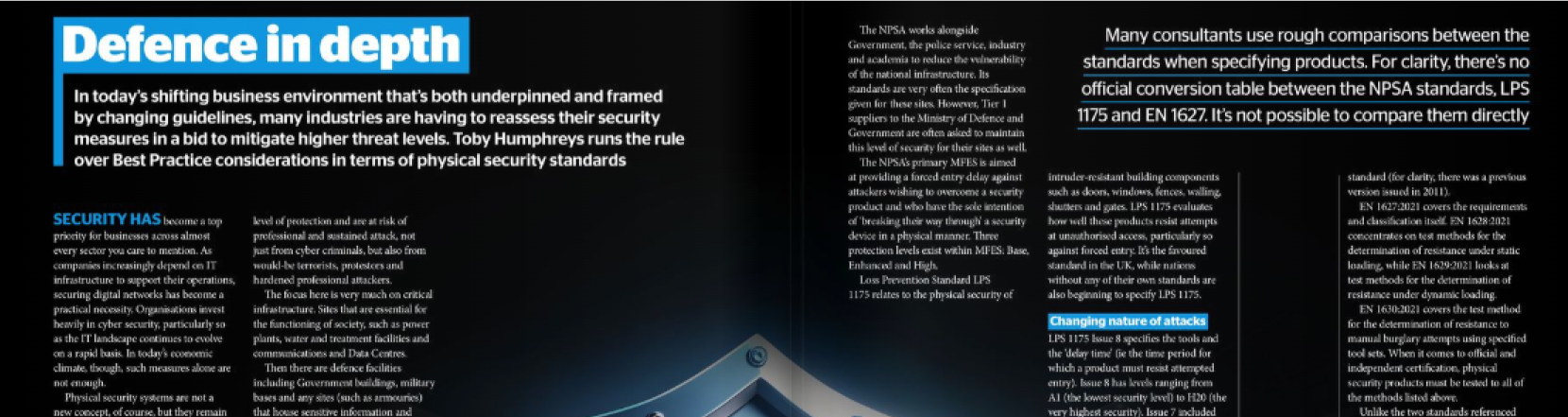
Physical security standards play a critical role in protecting today’s buildings, infrastructure and high-value assets. In the latest issue of Security Matters Magazine, Toby Humphreys, Head of Projects and Sales at Charter Global, explores how evolving threats are changing the way architects, consultants and security professionals specify physical security products.
Read the full article in Security Matters Magazine (pages 30-32)
Physical security remains a vital layer of protection
While cyber security continues to dominate many security discussions, physical security remains equally important in protecting people, property and critical assets.
Modern buildings still rely on physical security measures such as:
- Security doors
- Security shutters
- Windows
- Gates
- Fencing
- Access control
- Building envelope protection
Together, these measures help delay and resist attacks, forming part of a wider defence in depth strategy that reduces vulnerability through multiple layers of protection rather than relying on a single security measure.
Different environments require different levels of protection
As Toby explains throughout the article, security requirements vary considerably depending on the application.
Higher levels of physical protection are often required for environments including:
- Critical national infrastructure
- Defence facilities
- Government buildings
- Research laboratories
- Embassies
- Financial institutions
- Sites supporting national infrastructure
Each environment presents different risks, meaning security products should always be selected according to the specific threat level and operational requirements rather than adopting a one-size-fits-all approach.
Understanding security standards
One of the central themes of the article is helping readers understand the different security standards used throughout the industry.
Toby discusses several of the standards commonly referenced when specifying physical security products, including:
- NPSA guidance
- LPS 1175
- EN 1627
Although these standards are frequently mentioned together, they are designed for different purposes and use different testing methodologies.
This makes direct comparisons between them misleading.
Why LPS 1175 and EN 1627 cannot be directly compared
A common misconception within the industry is that products tested under LPS 1175 can be directly compared with products tested under EN 1627.
As Toby explains, there is no official conversion table between the two standards.
Each standard evaluates products differently, using different attack methods, testing procedures and performance criteria. As a result, selecting the correct standard depends entirely on the project’s requirements rather than attempting to match one rating against another.
This is particularly important when preparing specifications for commercial or high-security developments.
Did you know?There is no official conversion between NPSA guidance, LPS 1175 and EN 1627. Products should always be specified according to the relevant security requirements rather than attempting to compare ratings across different standards.
The importance of independently certified products
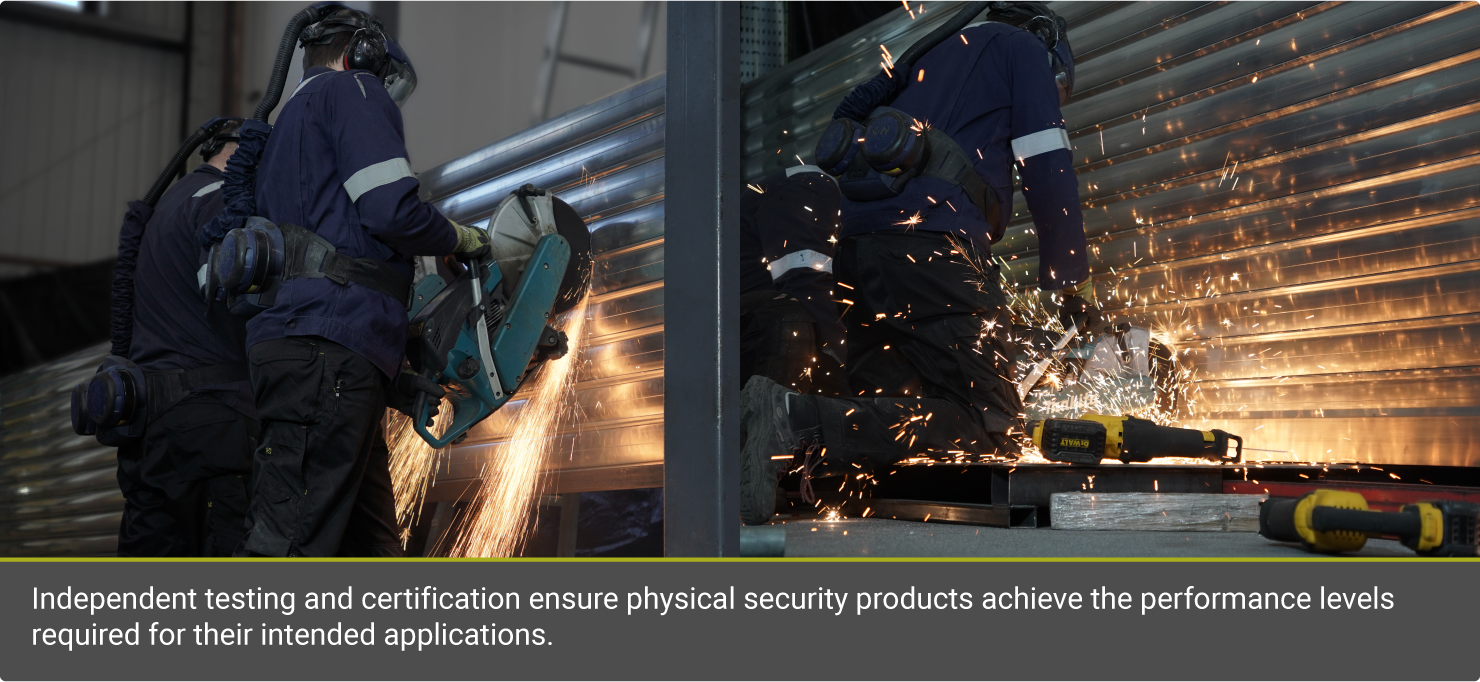
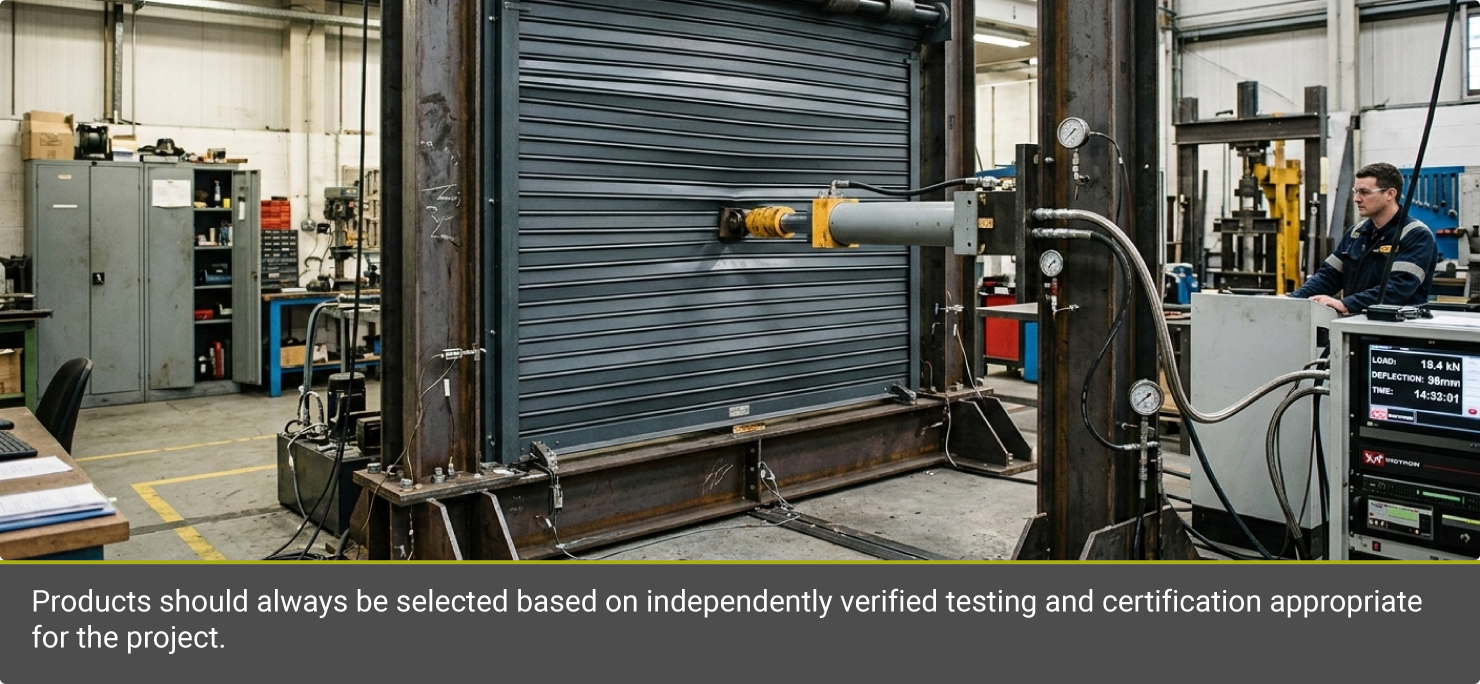
The article also highlights why independent testing and certification play such an important role when specifying security products.
Manufacturers whose products have successfully completed recognised testing programmes are able to demonstrate verified performance through independent certification, providing specifiers with greater confidence that products will perform as intended.
Toby also recommends consulting official certification registers when verifying whether products have achieved the required certification.
Choosing the right solution
Ultimately, effective physical security begins with understanding the application.
Rather than focusing on achieving the highest possible rating, designers and consultants should consider:
- The type of building
- The anticipated threat level
- Relevant regulations
- Operational requirements
- Appropriate security standards
Taking this considered approach helps ensure that products are both proportionate to the risk and capable of delivering the required level of protection.
Learn more
Toby’s full Security Matters Magazine article explores these topics in greater detail, providing practical guidance on physical security standards, certification and best practice specification.
Read the full article in Security Matters Magazine (pages 30-32)
Contact us
If you would like further advice on selecting independently tested physical security products for your project, contact the Charter Global team to discuss your requirements.